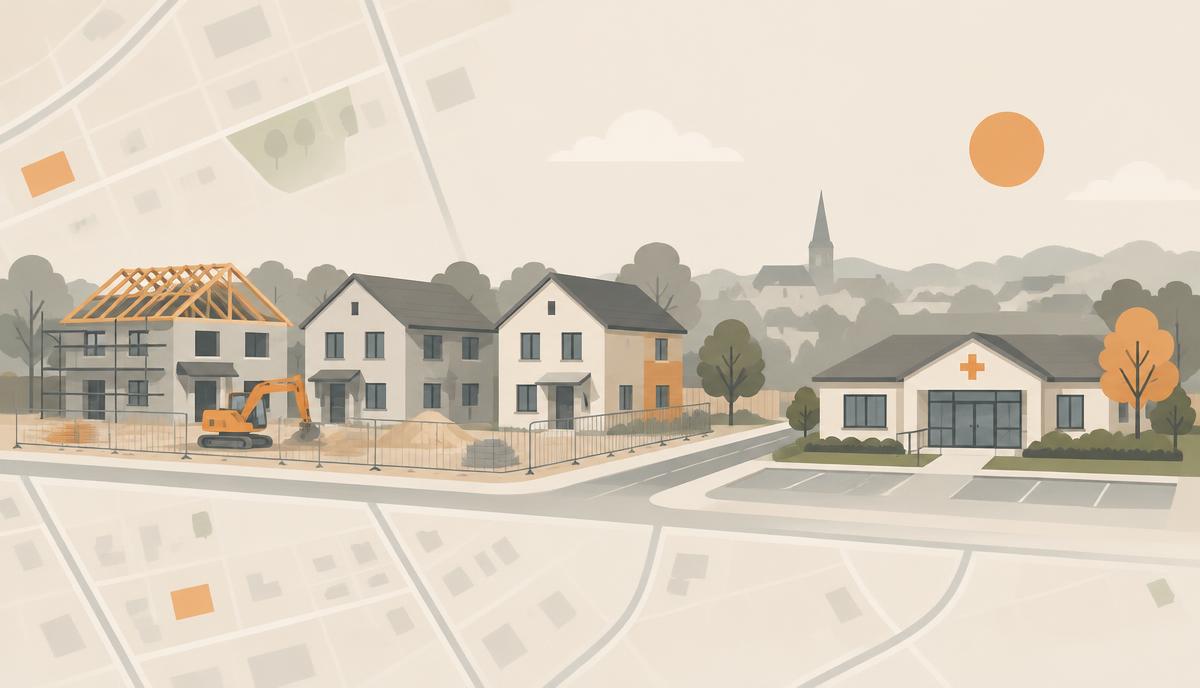
What happens when 100 new patients show up at a GP practice that had no idea a development was coming?
The practice can't cope. Demand was always going to land, but the intelligence to plan for it never reached the people who needed it, when they needed it.
This is exactly the gap our data team works to close.
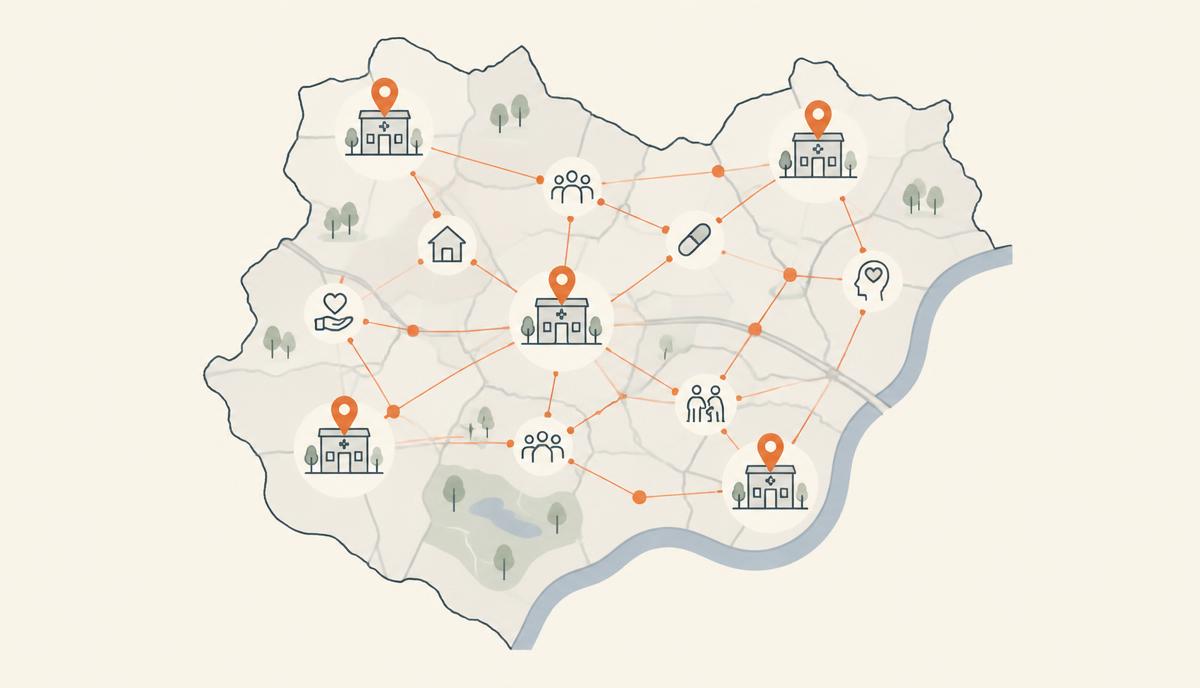
At Coplug we believe better places get made and run well when organisations of every size can reach trusted intelligence about their place and its people. Housing data sits right at the heart of that. It tells us where growth is coming from, and what that growth will mean for GP practices, schools, transport and the services a community depends on.
But housing data is rarely ready to answer those questions out of the box. I've spent the last three years working with everything from approved planning applications to local plan sites, and a few lessons stand out.
1. Trusted intelligence starts with data you can trust
The recurring challenges: missing data, duplicate records, inconsistent formats across local authorities, missing location information, and planning statuses that shift over time. Data is also rarely disaggregated by the type, size and tenure of units. So beyond cleaning and standardising it, we apply local assumptions, grounded in market dynamics, to fill the gaps and make it genuinely usable. Verified intelligence you can act on doesn't happen by accident.
2. Accurate isn't the same as complete
Data can be correct and still lead you to the wrong conclusion. Are all planning applications captured? Are all required fields populated? Do we have full coverage across local authorities and history? Understanding what's missing matters as much as understanding what's there.
3. Better places get made together
As engineers, we focus on data and systems. But understanding how planning applications actually work, which metrics matter to clients, and how decisions get made, that comes from working closely with domain experts. Collaboration is what turns raw records into intelligence.
Good housing data unlocks value for everyone
Which is the whole point. Spatial reasoning shouldn't be locked inside the organisations with the most data and the most specialists.
- Local authorities can monitor delivery and support planning decisions
- Developers can spot activity and opportunities
- Investors can read market trends and growth areas
- Communities benefit from better-informed infrastructure planning
Access for everyone, not just specialists.
The takeaway? Housing data becomes valuable the moment it helps someone make a better decision, like giving that GP practice the heads-up it never had.